OCal Certified Cannabis
In October 2021, Sonoma Hills Farm became one of the first cannabis farms in the United States to earn OCal certification — California’s rigorous comparable-to-organic standard for cannabis. Certified by CCOF (California Certified Organic Farmers), our farm meets the same uniform standards as the USDA’s National Organic Program. The only reason we can’t call it “organic” is because federal law still classifies cannabis as a controlled substance. OCal is the next best thing — and in many ways, it’s exactly the same thing.
What Is OCal?
OCal is a California-only certification program created by the California Department of Food and Agriculture (CDFA) and administered by registered certifying agents like CCOF and the California Department of Public Health (CDPH). It was designed to fill a critical gap: because cannabis remains federally illegal, it cannot be certified organic under the USDA’s National Organic Program (NOP). OCal solves that problem by establishing standards that mirror the NOP almost exactly.
The program was mandated by the Medicinal and Adult-Use Cannabis Regulation and Safety Act (MAUCRSA), which required CDFA to create a comparable-to-organic cannabis program by 2021. The result is a certification process that includes application review, on-site inspections, compliance verification, and ongoing annual audits — the same rigor applied to every organic tomato, head of lettuce, or pound of beef sold in California.
When you see the OCal seal on a cannabis product, it means that product was cultivated without synthetic pesticides, herbicides, or fertilizers, using practices that promote soil health, biodiversity, and environmental stewardship — all verified by independent, CDFA-registered inspectors.
Why OCal Matters for Cannabis Consumers
For decades, cannabis consumers have had no reliable way to verify organic growing claims. Any farm could put “organic” or “all-natural” on their packaging without accountability. OCal changed that by creating an enforceable, audited standard with real consequences for non-compliance.
Here’s what OCal certification guarantees:
- No synthetic pesticides, herbicides, or fungicides
- No synthetic fertilizers or growth regulators
- Soil health practices that foster biodiversity
- Annual on-site inspections by CDFA-registered auditors
- Full traceability from seed to sale
- Standards consistent with the USDA National Organic Program
As Aaron Keefer, our head farmer and former culinary gardener for the Thomas Keller Group and The French Laundry, puts it: “Consumers deserve to know how their cannabis is grown and where it’s sourced, just like their tomatoes, lettuce, and beef. That’s what this program is about.”
Our Journey to Certification
Earning OCal certification wasn’t quick or easy. It took a year and a half of preparation, documentation, inspections, and compliance reviews. We had to demonstrate that every aspect of our cultivation — from soil amendments to pest management, irrigation to post-harvest handling — met standards consistent with the National Organic Program.
We were certified alongside Sensiboldt Organics, a legacy farm in Humboldt County. Together, we became the first two cannabis operations in the country to achieve OCal status. CCOF CEO Kelly Damewood marked the occasion by noting that OCal certification celebrates the integrity and transparency of growers who use long-established organic practices to cultivate healthy soils, foster biodiversity, and eliminate cancer-causing pesticides.
Our organic culinary garden and pastureland are also CCOF Certified Organic — making Sonoma Hills Farm one of the few properties in California where both the cannabis and the food growing alongside it hold organic-grade certifications.
Beyond OCal: Our Full Certification Stack
OCal is our cornerstone certification, but it’s not the only one. Sonoma Hills Farm holds multiple independent certifications that together represent one of the most thoroughly vetted cannabis operations in California.
| Certification | What It Means |
|---|---|
| CCOF OCal | Comparable-to-organic cannabis certification administered by CCOF under CDFA’s OCal program. Mirrors the USDA National Organic Program standards. |
| CCOF Certified Organic | Our culinary garden, pasture, and flower gardens hold standard USDA organic certification through CCOF. |
| Sun+Earth Certified | Non-profit certification for regenerative organic cannabis and hemp, grown under the sun by small-scale family farmers. Emphasizes social equity and environmental stewardship. |
What It Actually Takes to Farm This Way
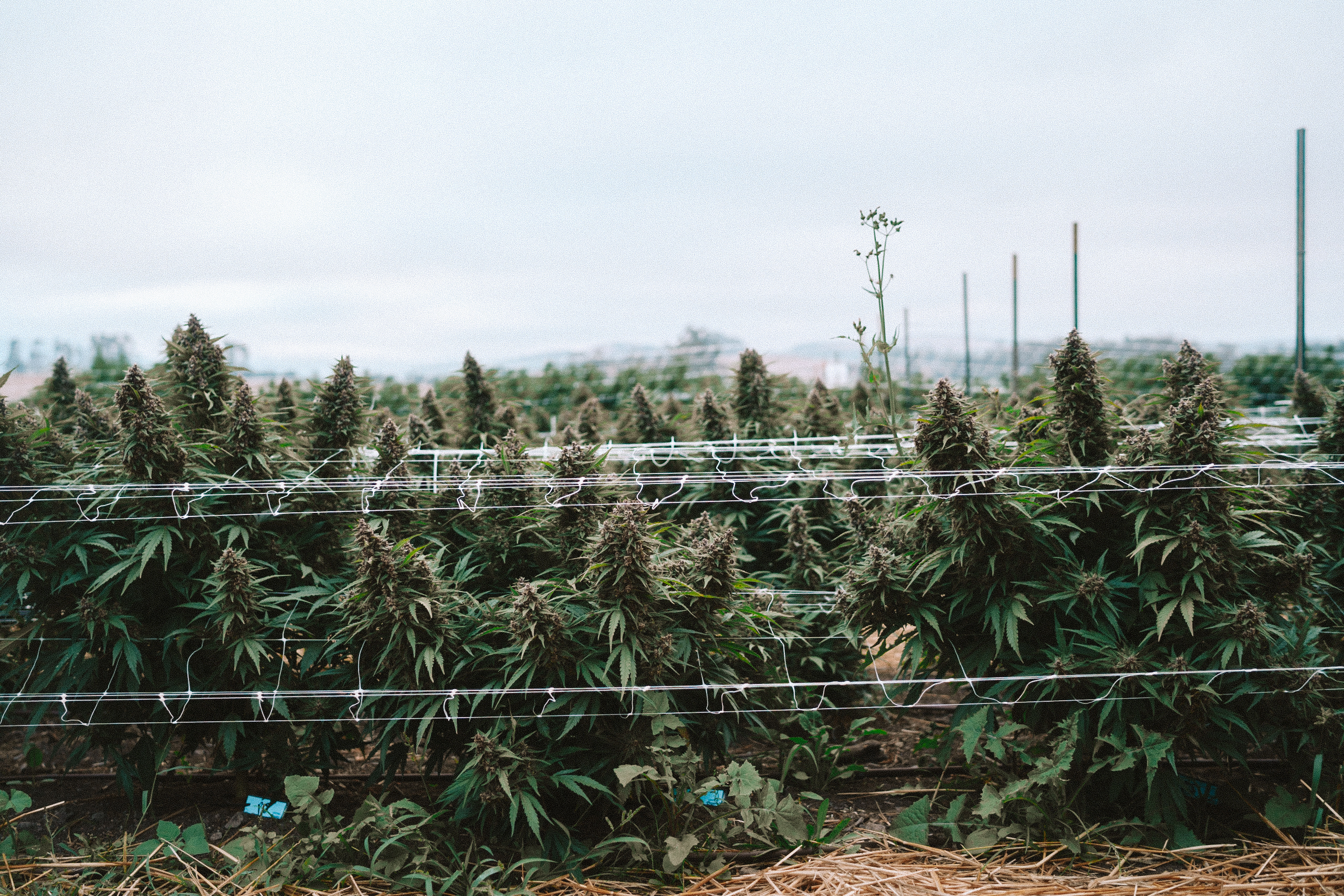
Growing to OCal standards costs more. Significantly more. The most expensive input on any farm is labor, and when you farm organically, those costs multiply. Without herbicides, every weed is pulled by hand. Instead of a single ton of salt-based synthetic fertilizer, we apply 40 tons of organic amendments to our fields. The time, effort, and care required at every step is immense.

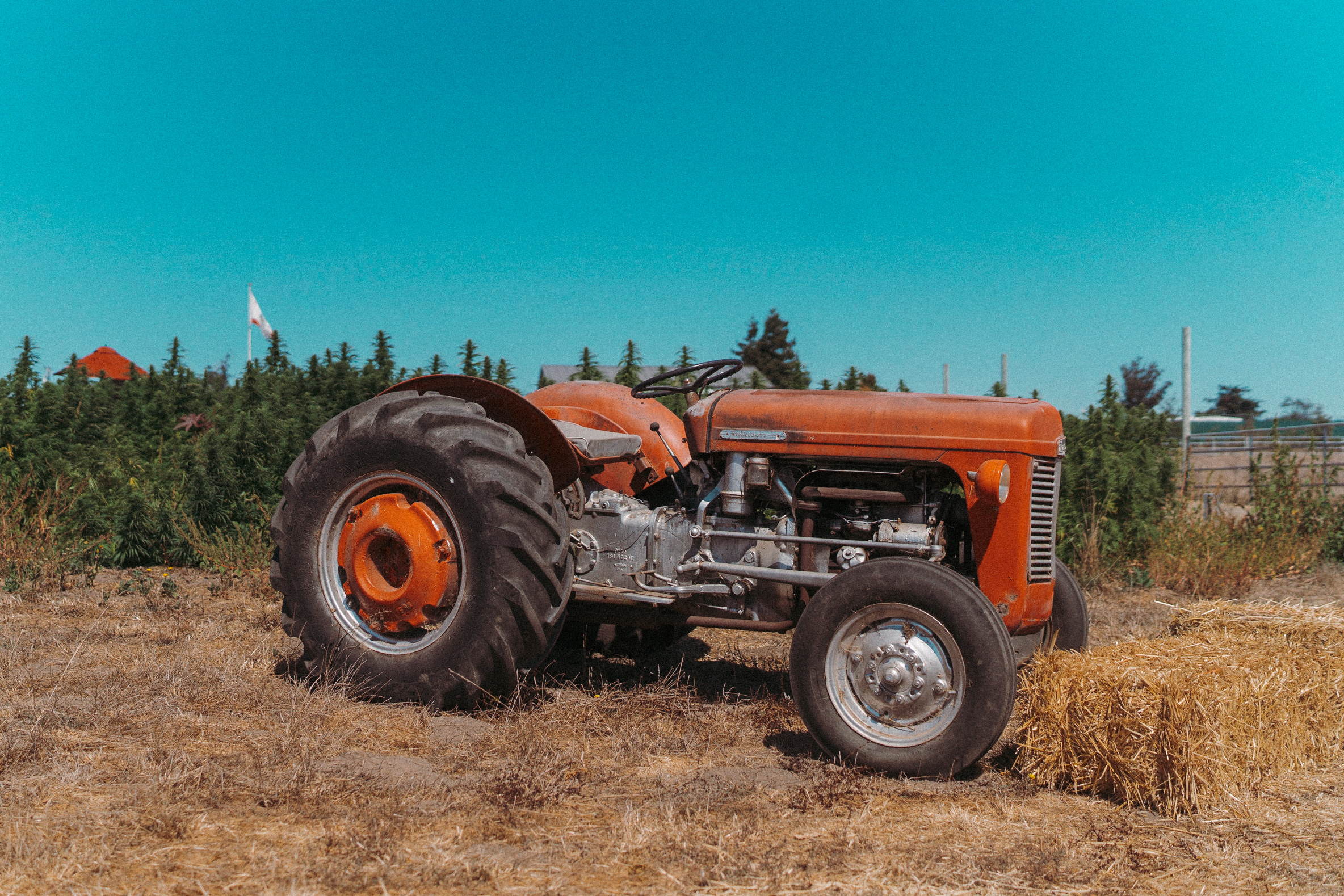
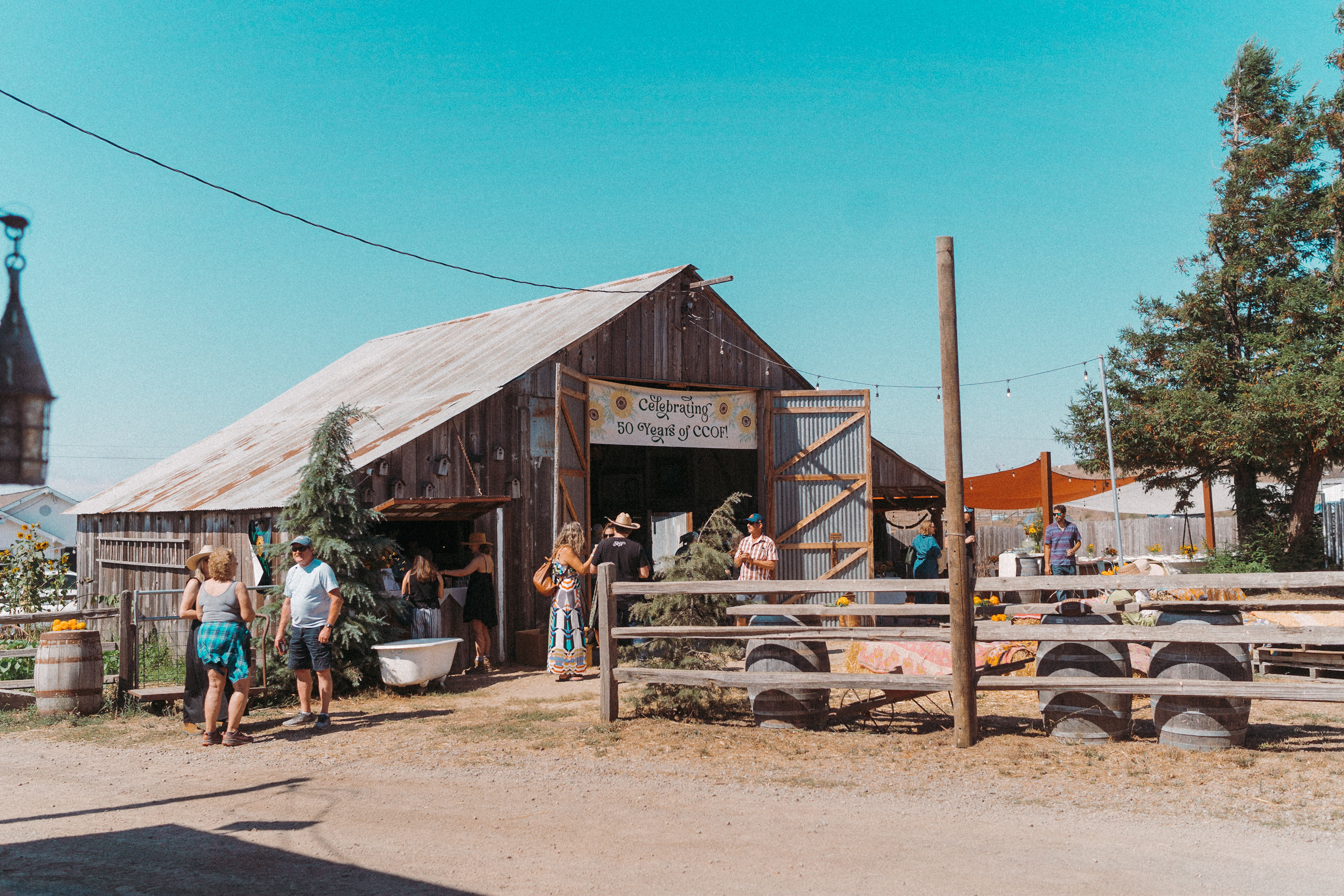
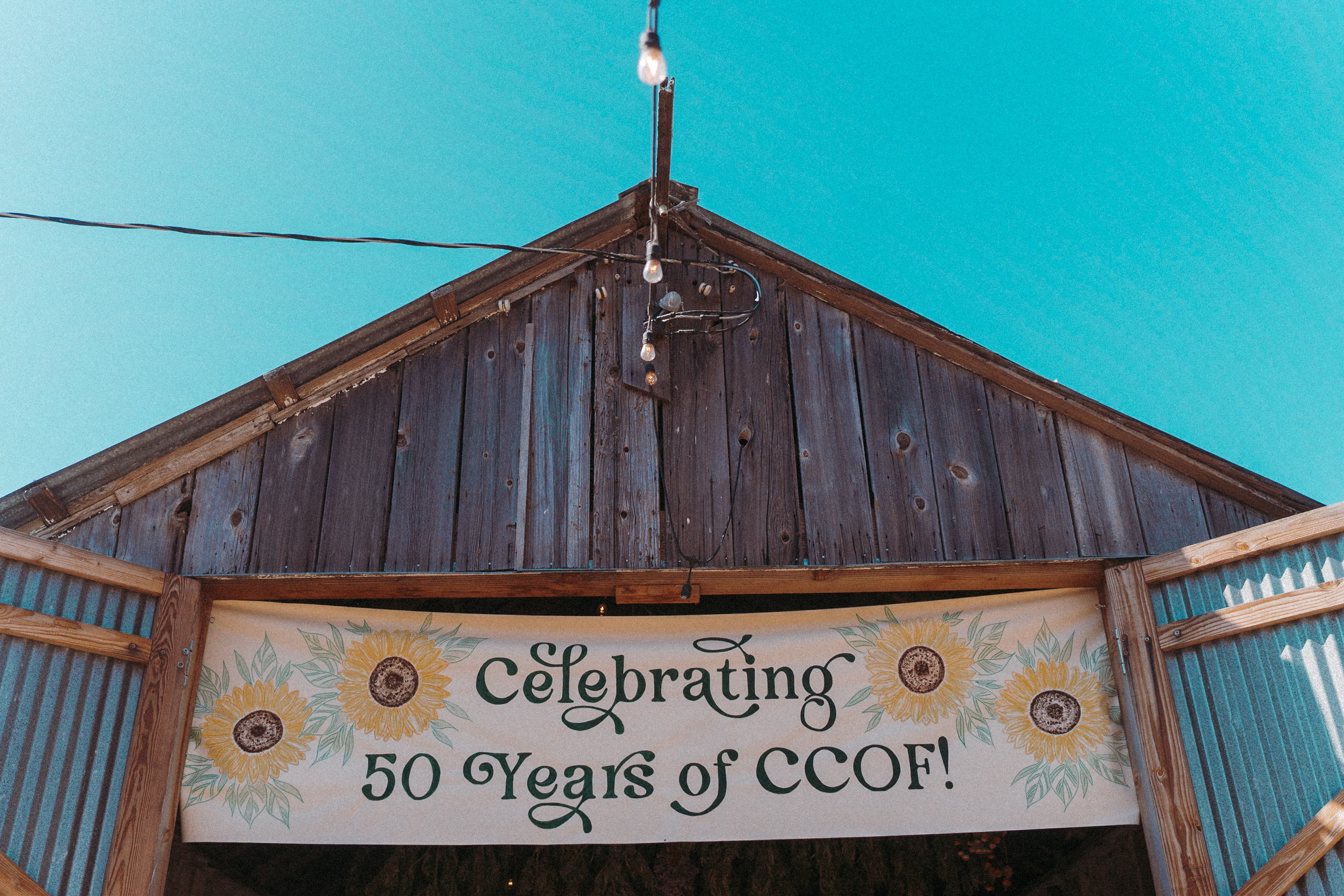
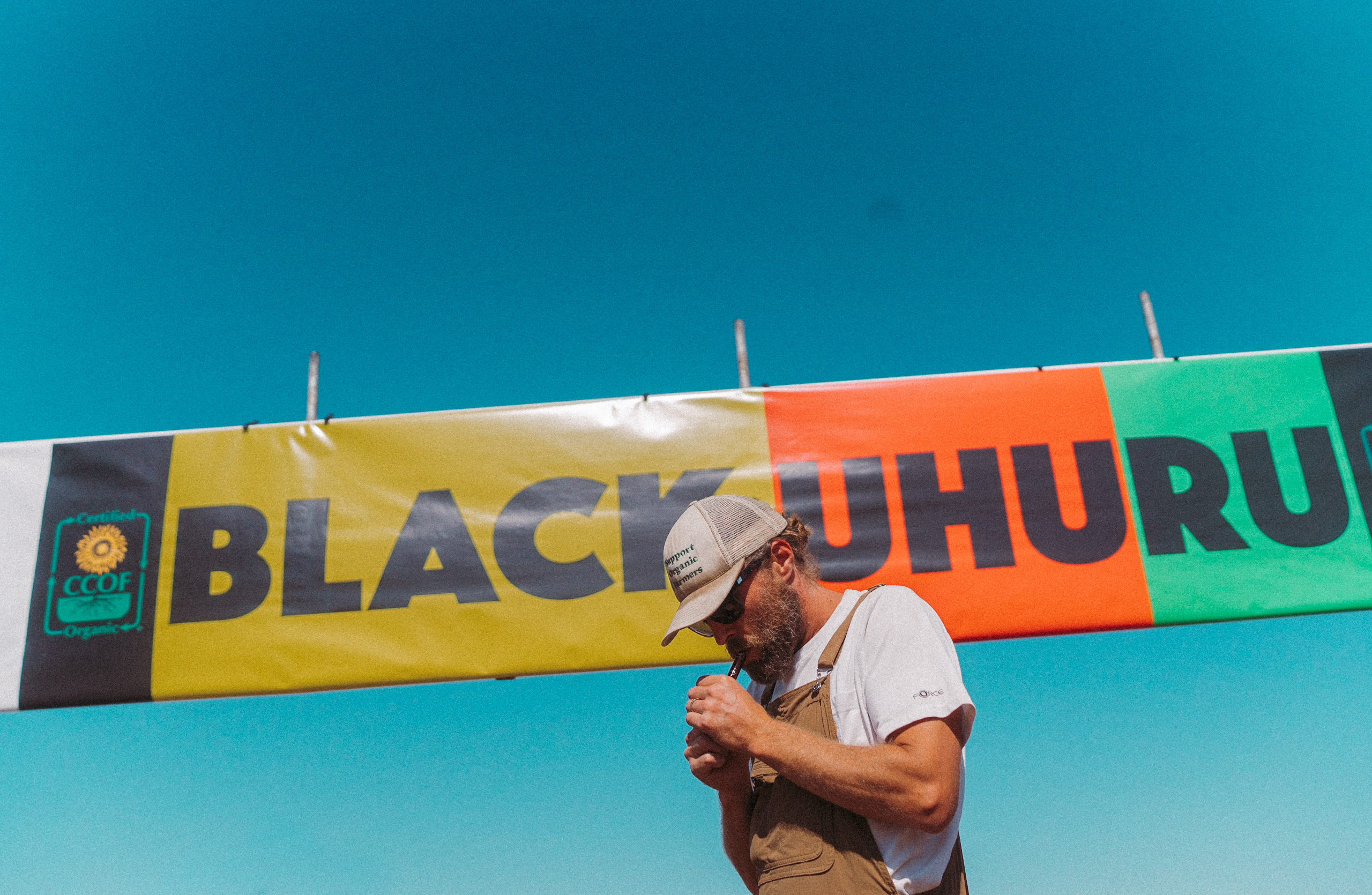
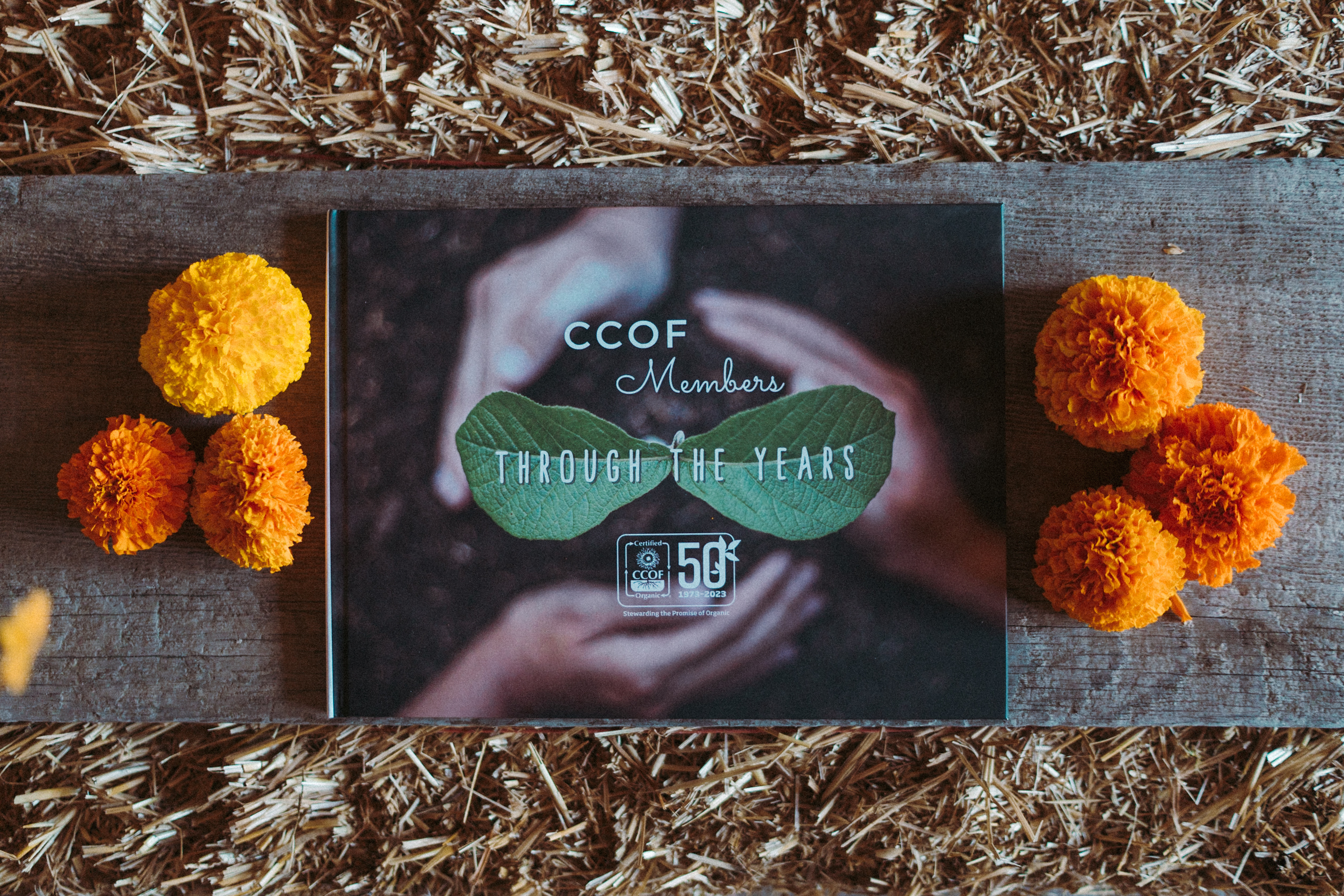
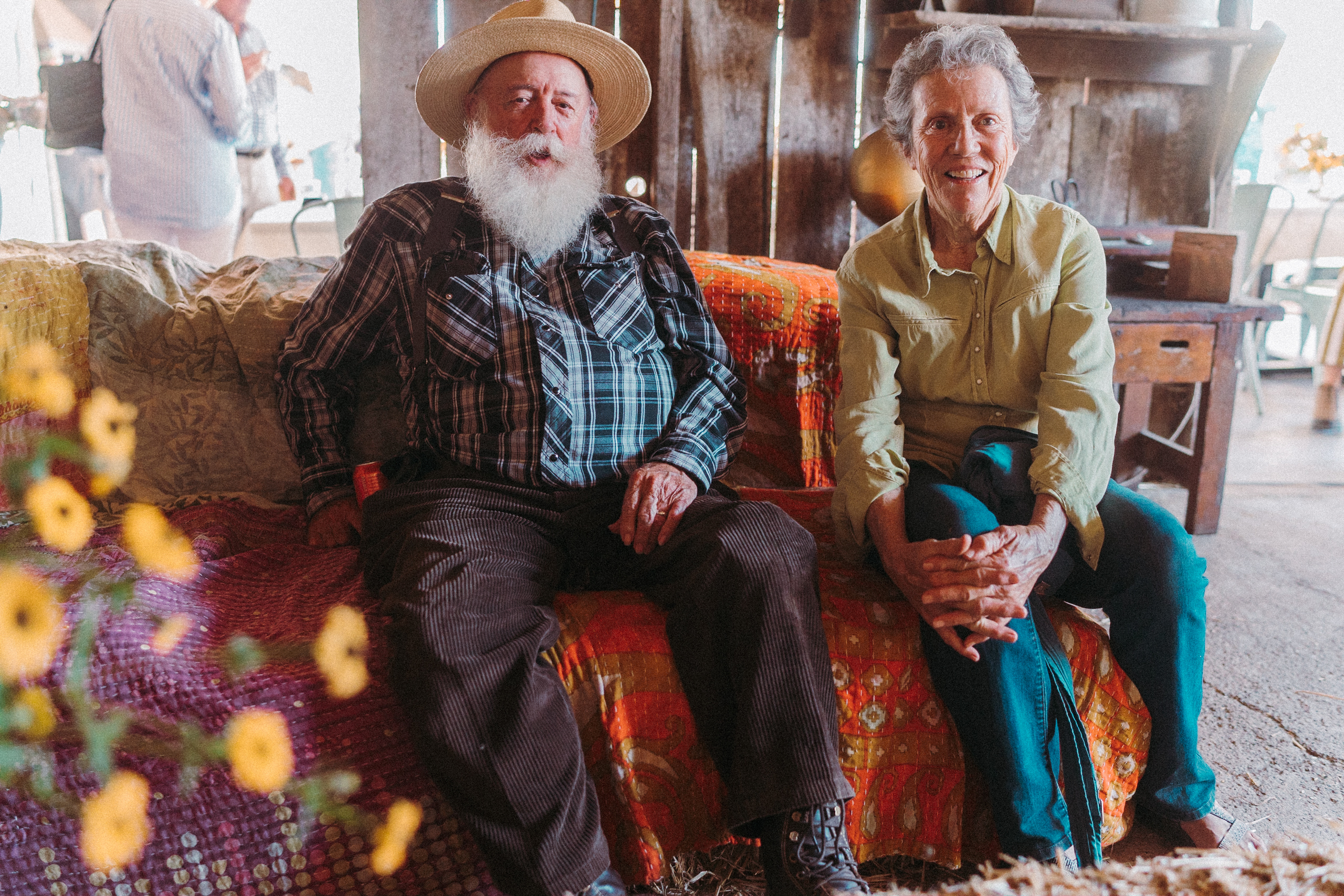
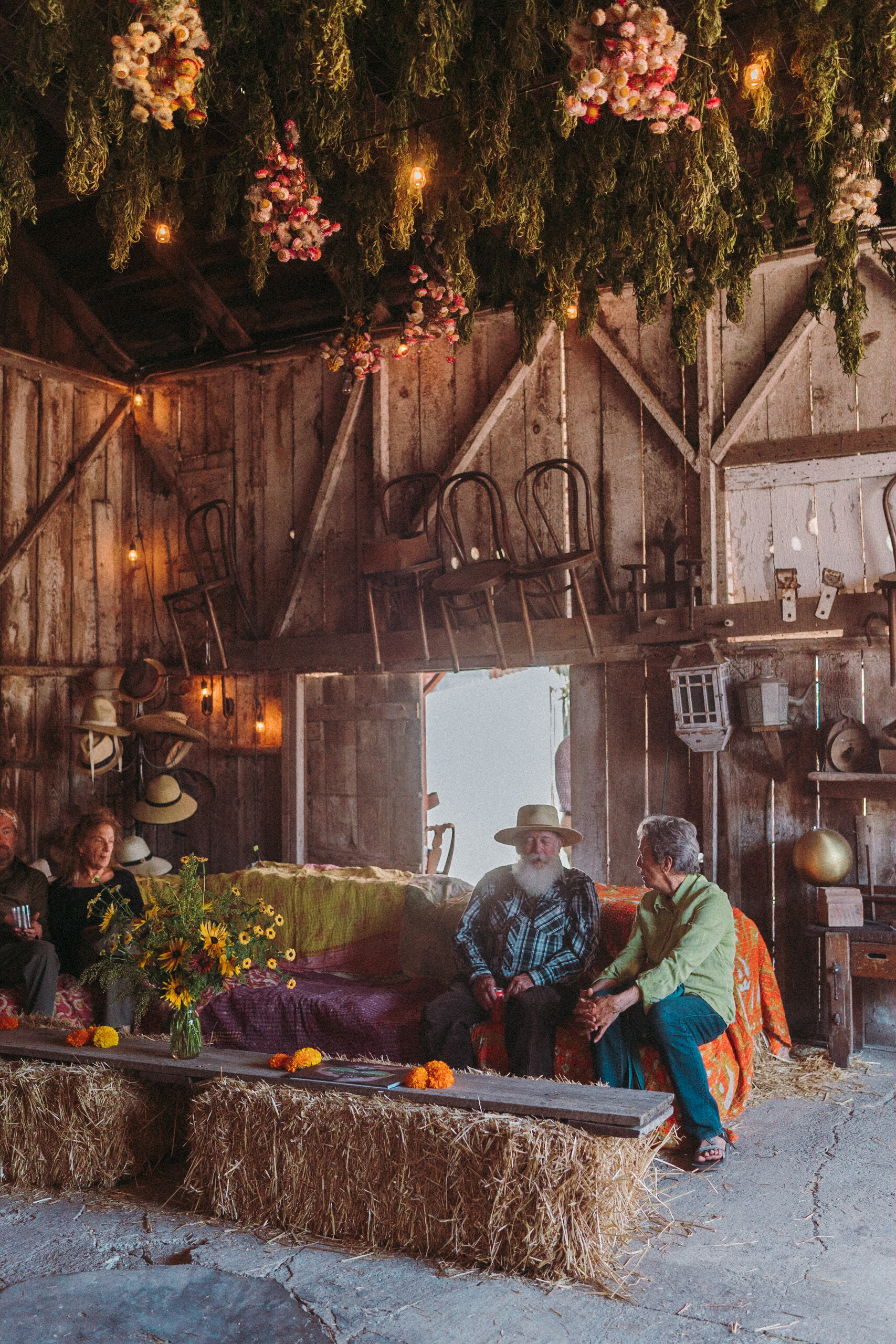
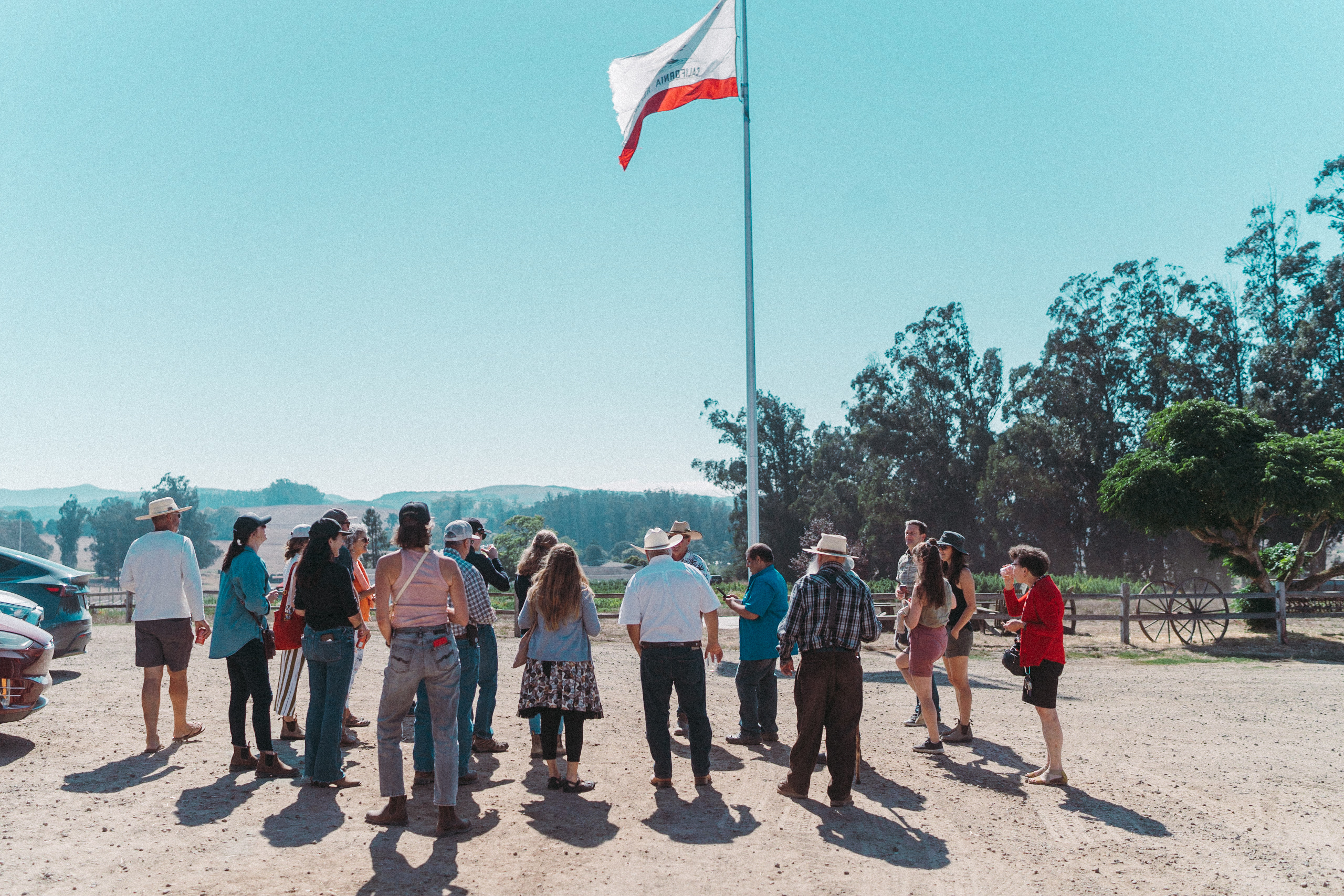
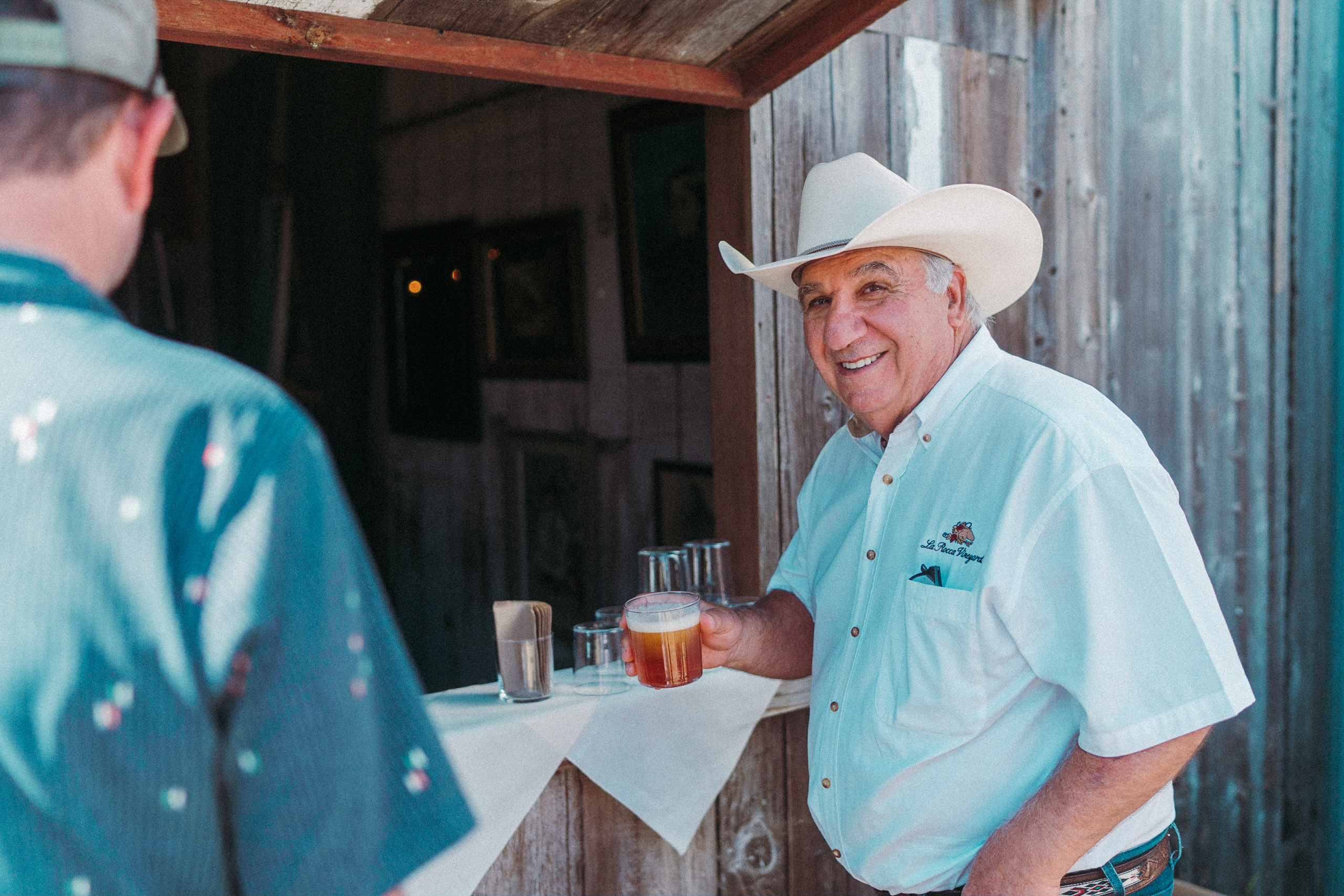
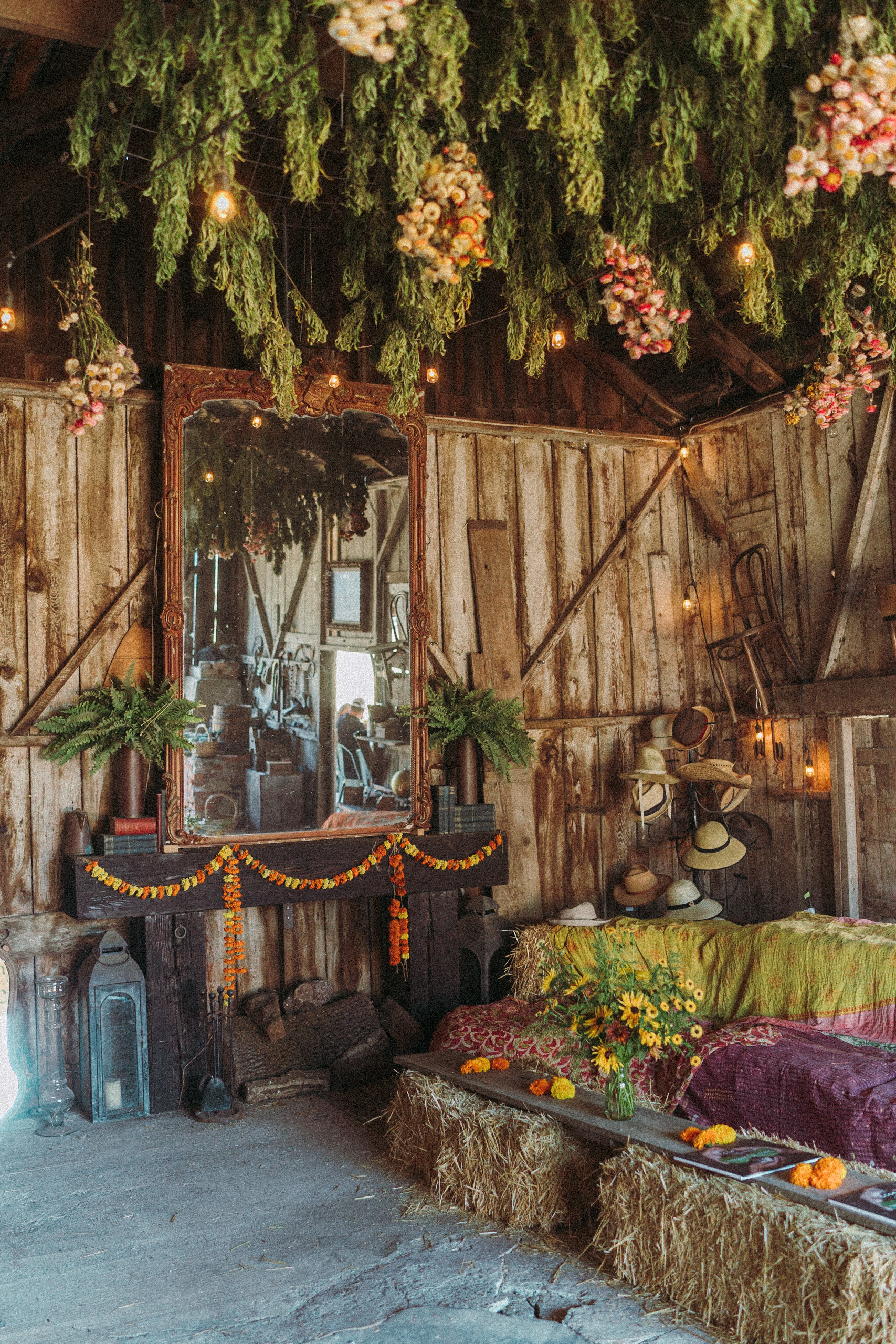
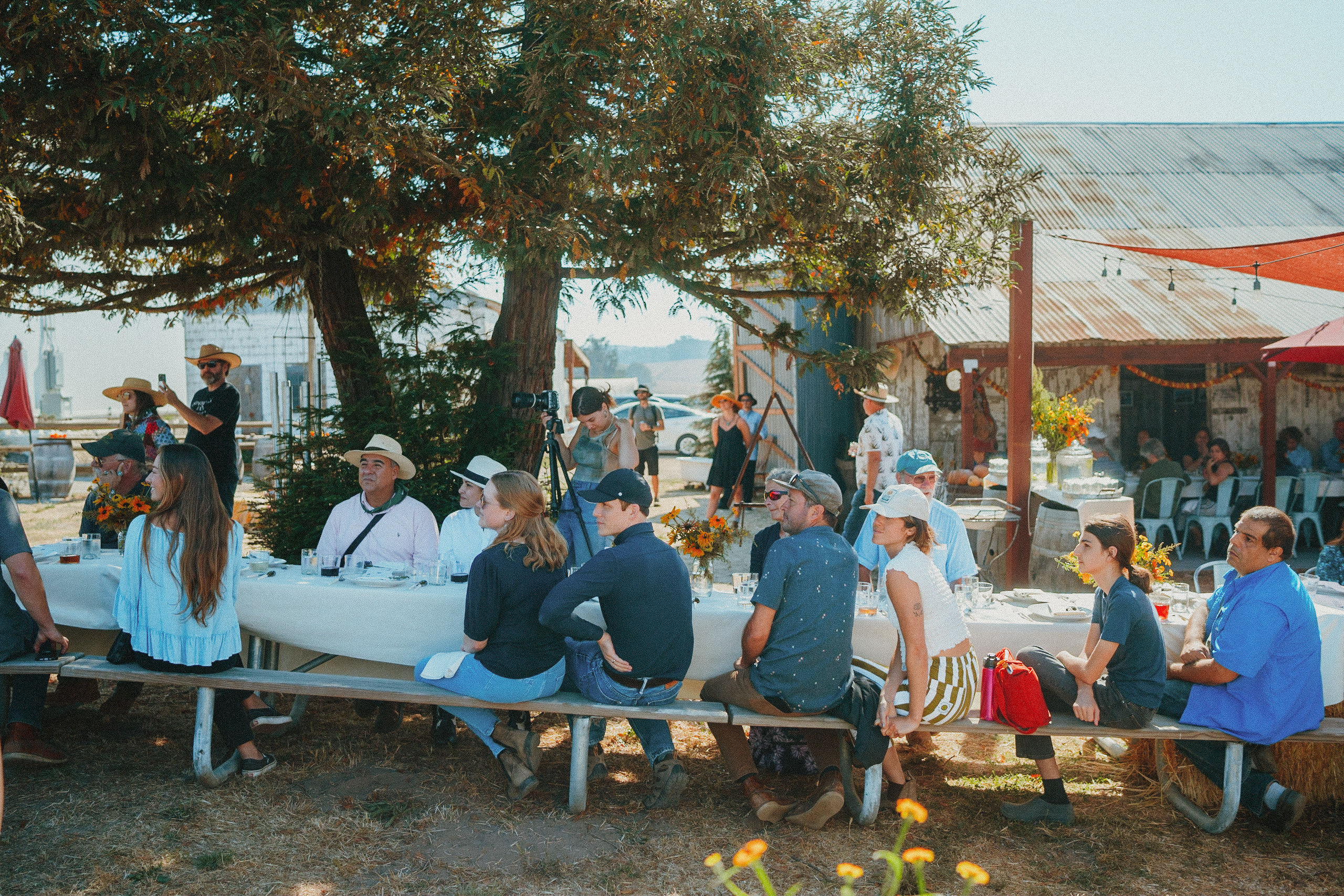
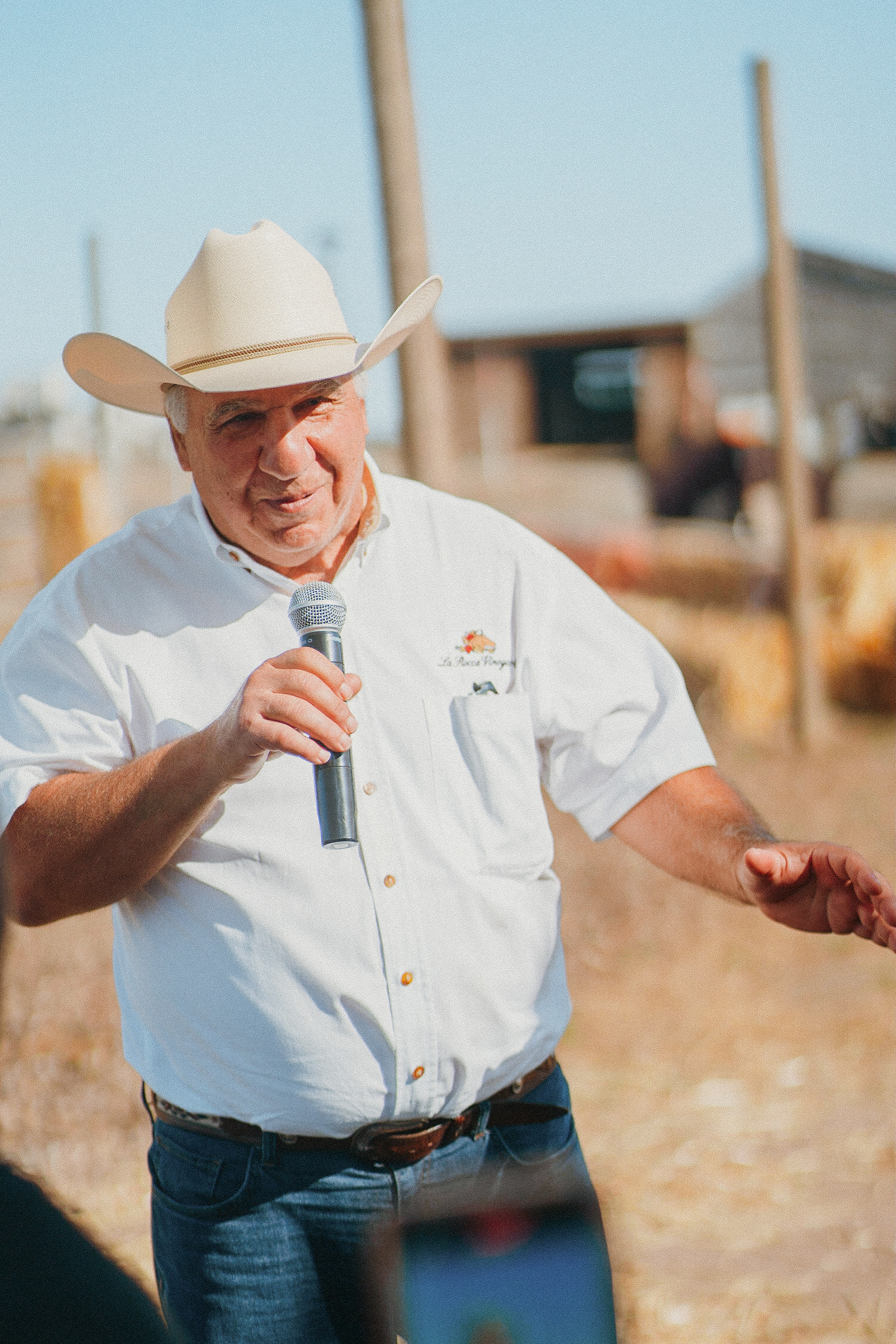
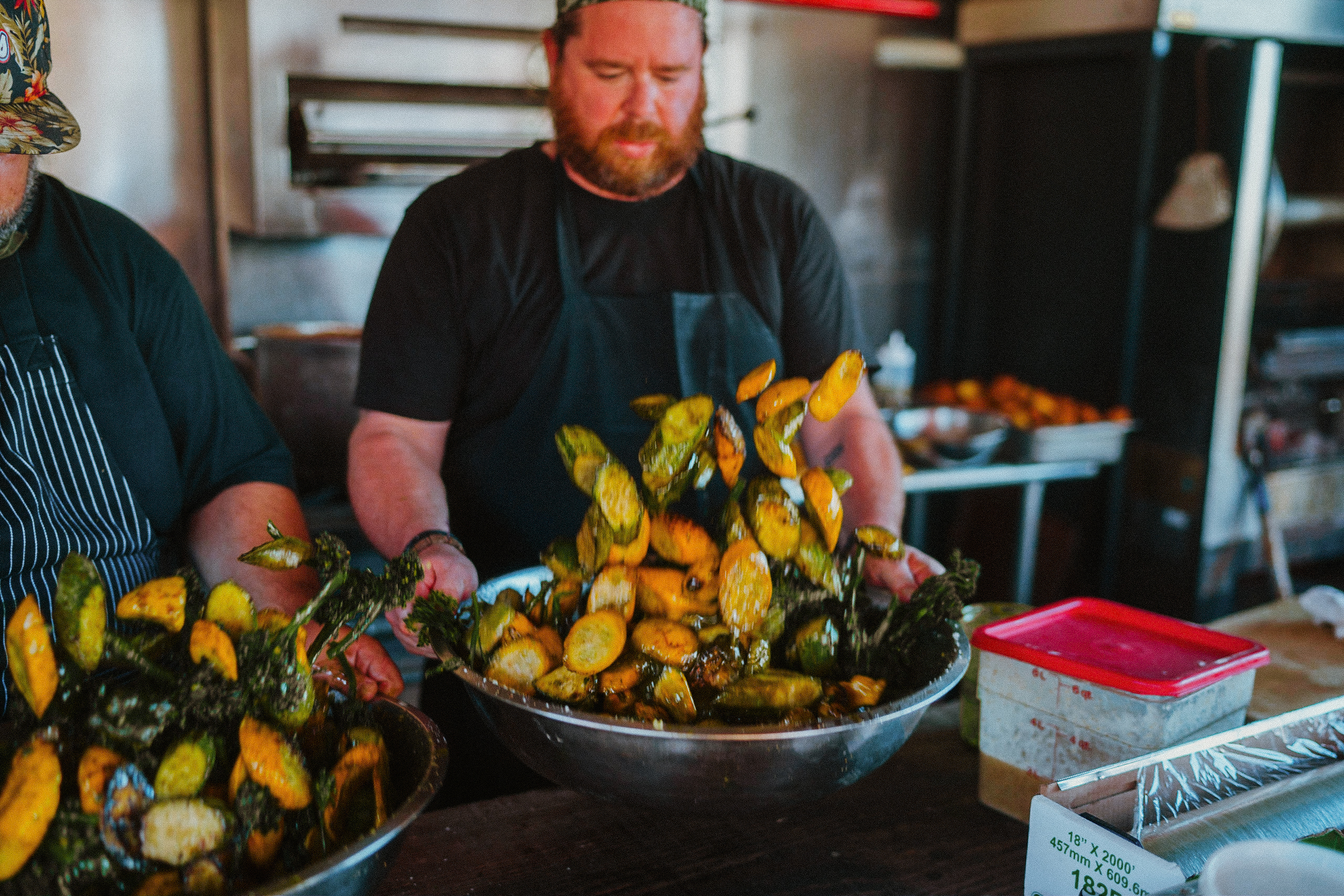
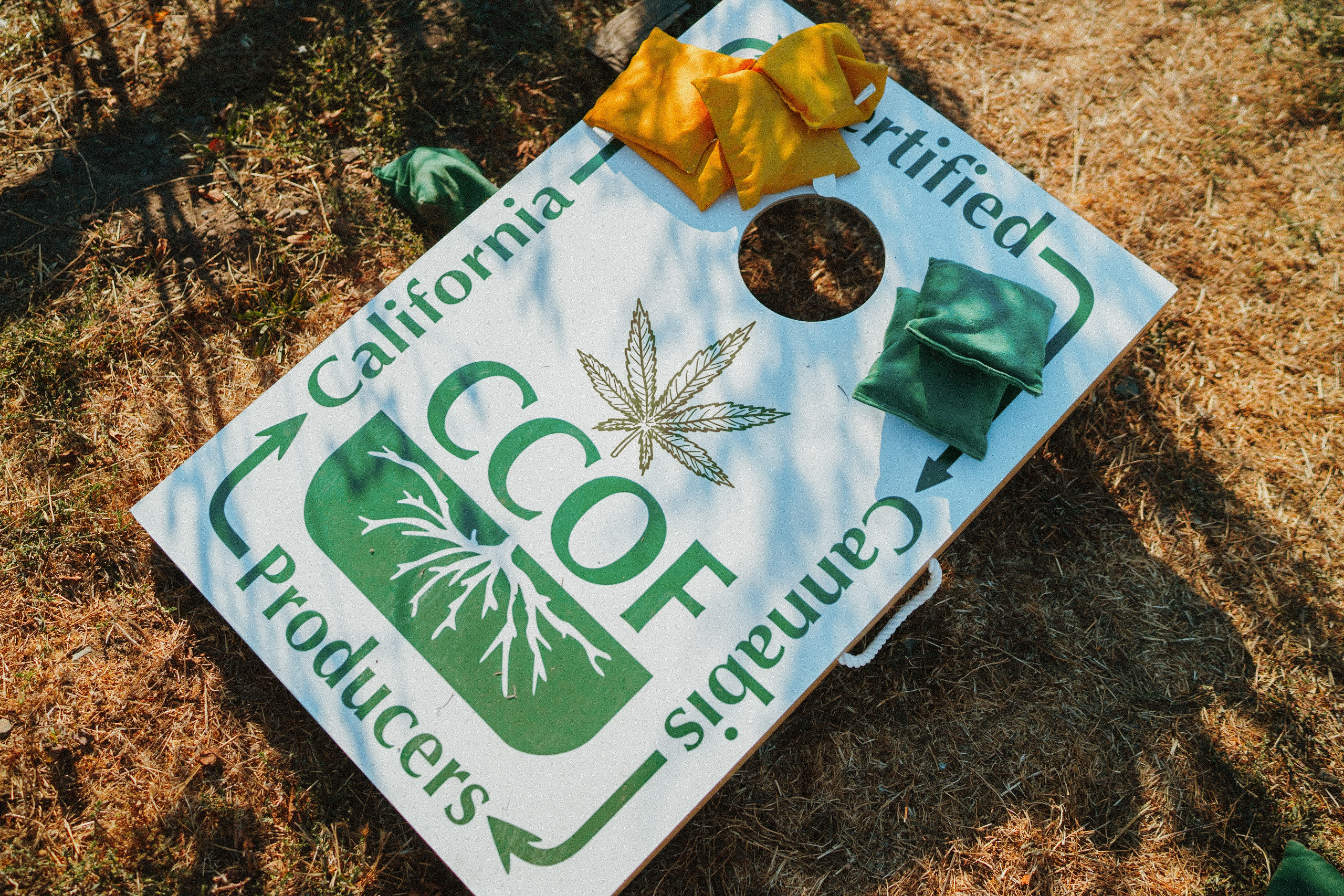
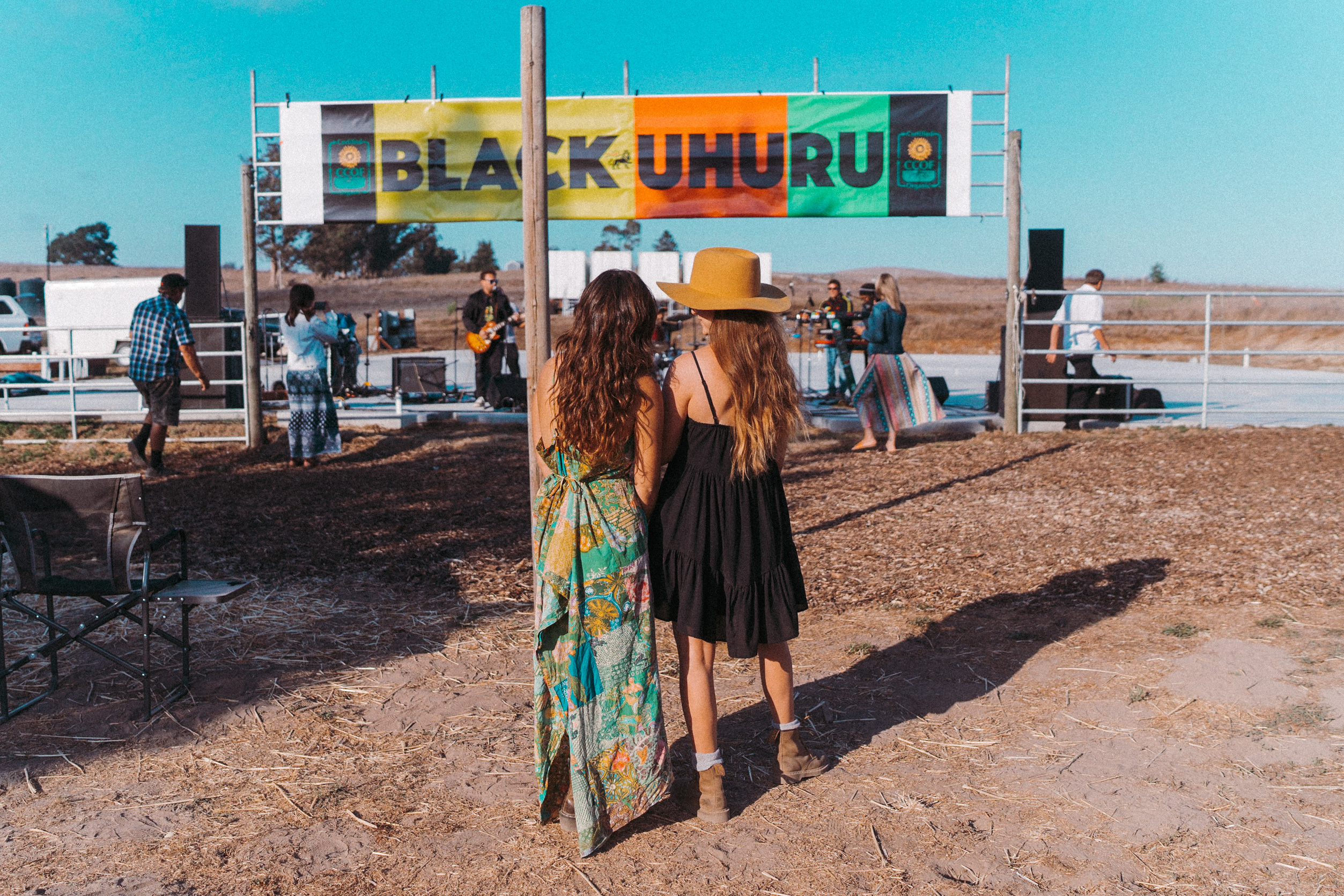
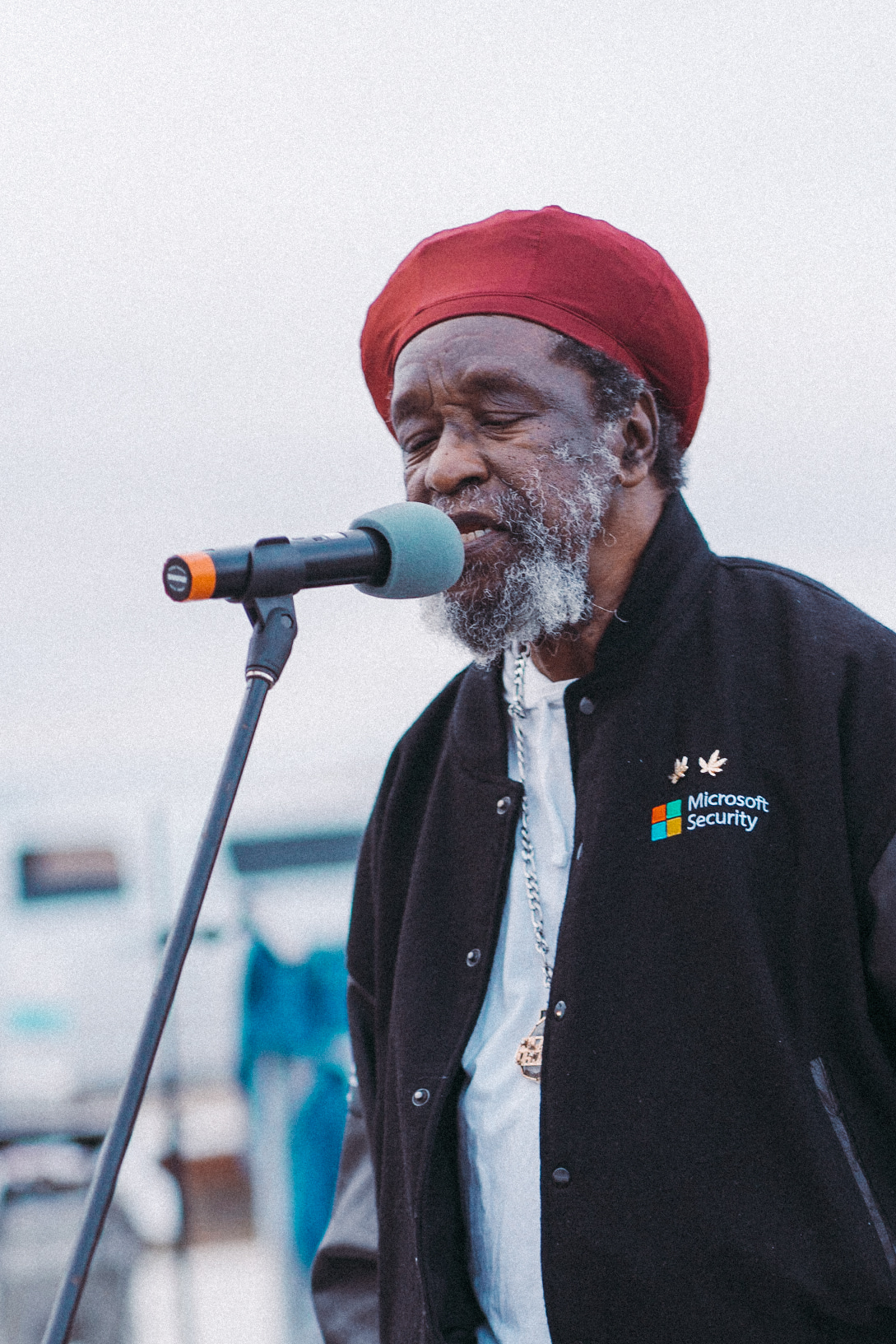
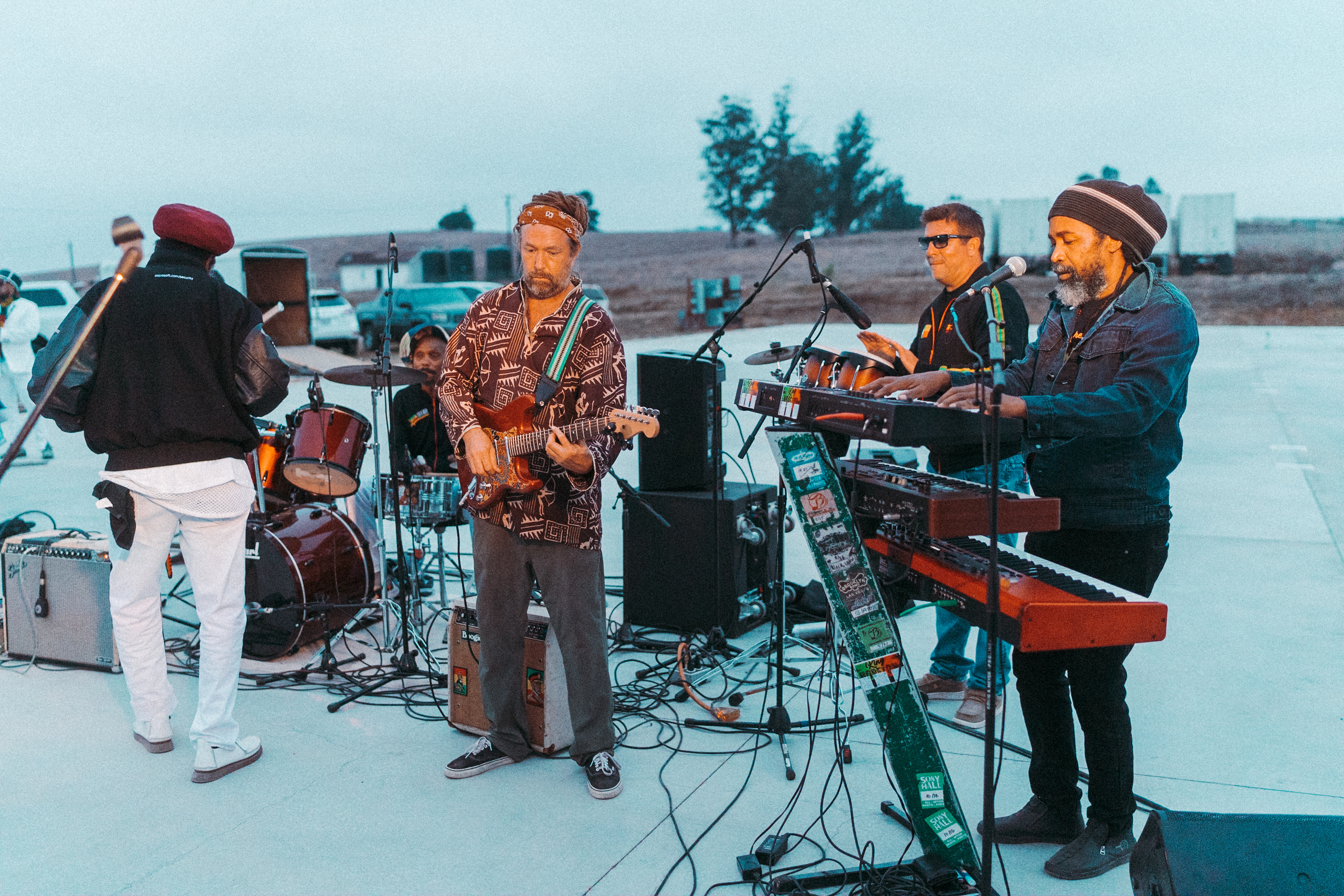
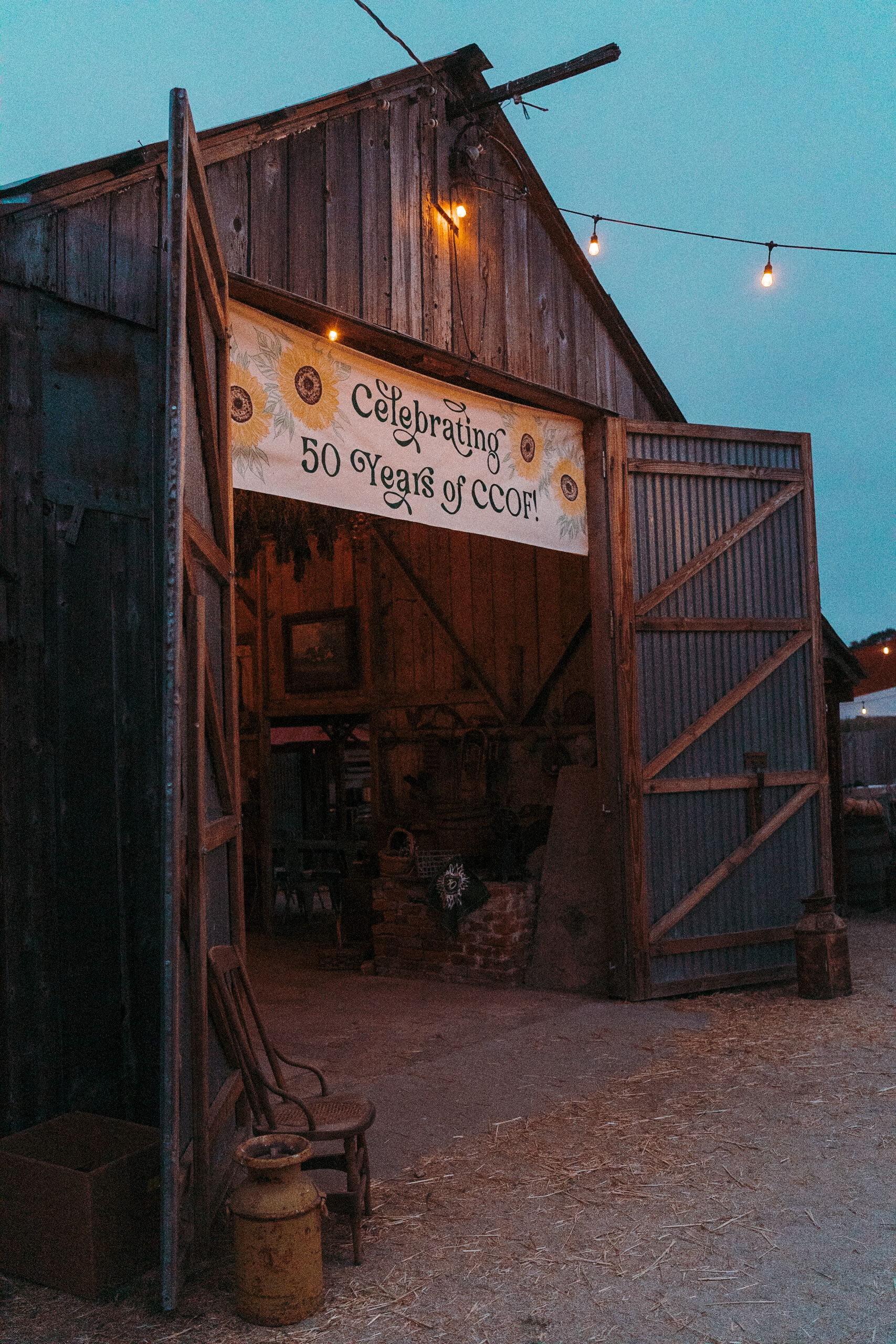
Scenes from the CCOF 50th Anniversary celebration at Sonoma Hills Farm. Photo credit: Rainbow Tunnel Films
But the results speak for themselves. Our flower consistently delivers higher terpene profiles and richer cannabinoid expression. Think of it like an organically grown tomato — the nutrition is higher, so the flavor is dramatically better. The same principle holds true for cannabis. Our 2021 harvest, the first to carry OCal certification, produced strains reading between 27–32% THC potency and 30–38% total cannabinoid content, proving that when farmed right, sun-grown cannabis means superior quality.
Frequently Asked Questions About OCal Cannabis
Is OCal the same as organic?
Functionally, yes. OCal standards mirror the USDA’s National Organic Program almost exactly. The only difference is the name: because cannabis is federally illegal, it can’t carry the “organic” label under USDA rules. OCal was created by the California Department of Food and Agriculture (CDFA) to provide the same level of assurance using the term “comparable-to-organic.”
Who certifies OCal cannabis?
OCal certification is granted by CDFA-registered certifying agents. For cultivators and distributors, approved certifiers include CCOF (California Certified Organic Farmers) and Envirocann. For manufacturers, CCOF and Pro-Cert Organic Systems are approved. Sonoma Hills Farm is certified by CCOF, the most established organic certifier in California.
What does OCal certification prohibit?
OCal-certified cannabis cannot be grown with synthetic pesticides, herbicides, fungicides, or fertilizers. It prohibits genetically modified organisms and requires documented soil management plans that promote long-term soil health and biodiversity. All practices must be consistent with the standards of the National Organic Program.
How many farms in California are OCal certified?
OCal is still a relatively new program, established in 2021. Sonoma Hills Farm and Sensiboldt Organics were the first two farms to achieve certification. The program remains small compared to the broader cannabis market, making OCal-certified cannabis a rare, premium product.
Where can I buy OCal-certified cannabis?
Sonoma Hills Farm’s OCal-certified flower, pre-rolls, and products are available at licensed dispensaries throughout California. Visit our Where to Buy page to find a retailer near you, or look for the OCal seal on our packaging.
Can OCal cannabis be called organic in the future?
If cannabis is ever legalized at the federal level, it would become eligible for USDA organic certification under the National Organic Program. Until then, OCal is the highest comparable standard available. The certification was designed to transition seamlessly to NOP standards if and when federal law changes.