

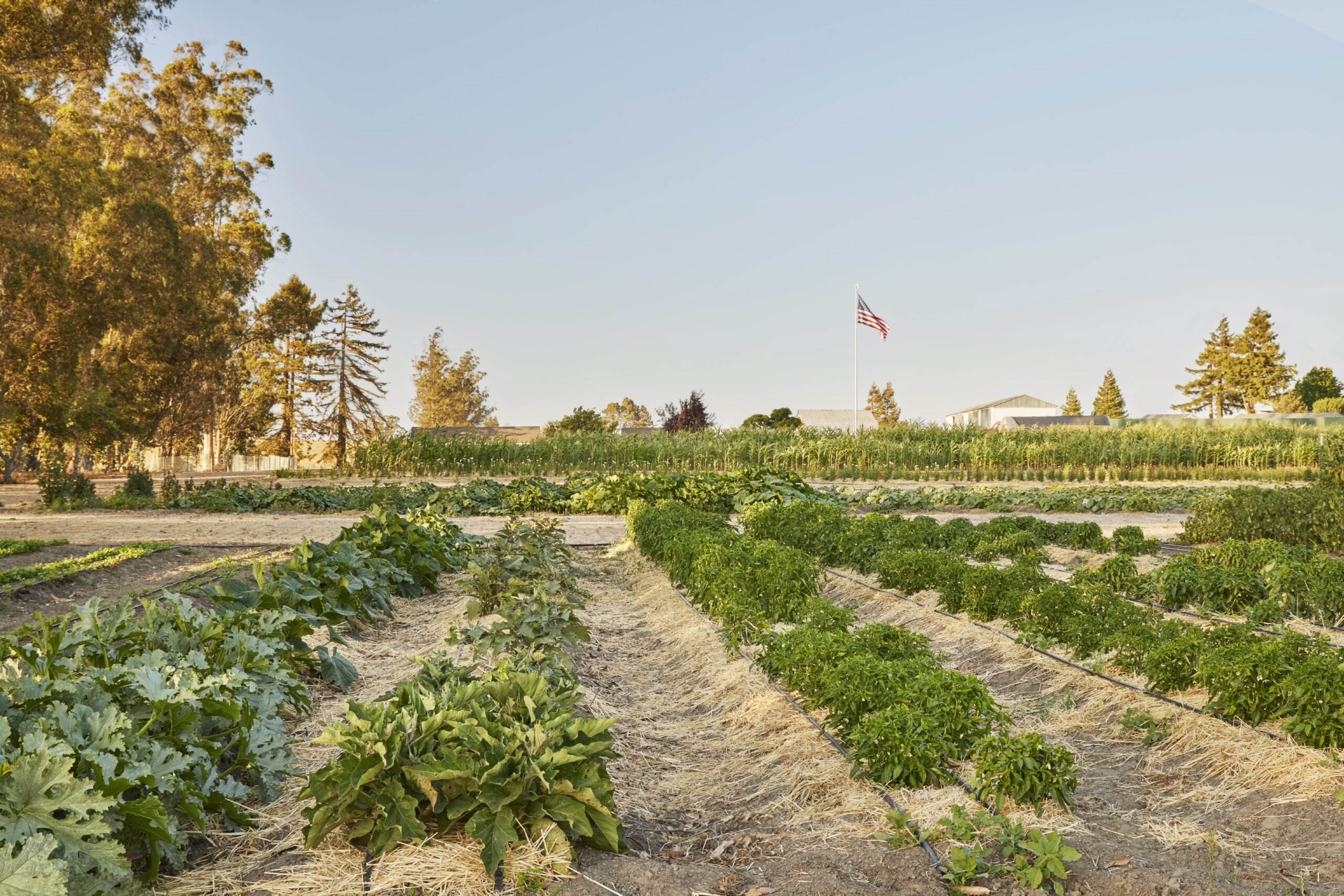
Recently, the Sonoma County Board of Supervisors approved an ordinance overhaul that will expand opportunities for Sonoma Hills Farm and other responsible cannabis operators in Sonoma County. This milestone follows a lengthy environmental review and a multi-phase process of public engagement, operator collaboration, and alignment with state standards. The updated framework brings cannabis into greater consistency with other agriculture and helps ensure the industry can participate in Sonoma County’s broader rural and hospitality economy in a thoughtful, sustainable way.
As highlighted in the Press Democrat, several key elements of the overhaul support long-term stability for small farms like ours and strengthen Sonoma County’s leadership in agricultural innovation:
Redefining cannabis as “controlled agriculture.”
This change will help streamline permitting, align regulations with established agricultural standards, and support inclusion in the Right to Farm Ordinance. In the past, cannabis has often been subject to duplicative inspections and administrative processes not required of other agricultural producers, creating significant costs without improving safety or environmental outcomes. The new framework preserves rigorous oversight while improving consistency, predictability, and fairness.
Expanding opportunities for small, carefully managed cannabis-related educational and hospitality experiences.
This creates a clearer county-approved pathway for agricultural tourism. At Sonoma Hills Farm, we have long envisioned a place where community members, educators, and responsible consumers can learn about cultivation, sustainability, and Sonoma’s appellation and agricultural heritage in a respectful, small-scale setting. This approach reflects the way wine, food, and farming have long worked together in Sonoma County.
Introducing an onsite sales allowance — similar to limited retail privileges available to wineries.
This will allow cultivators to offer small-scale, direct-to-consumer experiences at the farm. For us, this means being able to share limited-run flavors and seasonal expressions of the plant that don’t always fit into the broader retail system. We remain committed to supporting and strengthening our dispensary partners, and we view onsite sales as a complementary program that expands education and connection to the farm while continuing to rely primarily on licensed retailers for distribution.
Increasing cultivation flexibility by allowing up to 10% parcel canopy and lowering the minimum parcel size.
For Sonoma Hills Farm, this flexibility allows us to space plants more thoughtfully, rotate crops, improve soil health, and strengthen environmental resilience across each planting cycle. While the potential acreage allocation increases on paper, our intention is to use the added space to improve plant health and stewardship rather than intensify production.
The ordinance is scheduled to take effect July 1, 2026, though legal challenges could affect the exact implementation timeline. Regardless of timing, this framework represents meaningful progress toward a more practical and sustainable path for Sonoma County’s regulated agricultural cannabis sector.
We are grateful to the county, community members, and fellow operators who engaged in this process, and we look forward to continuing to demonstrate that cannabis — when grown responsibly and transparently — can coexist with neighbors, contribute to Sonoma’s agricultural identity, and take its place alongside food, wine, and hospitality as part of the fabric of this region.